
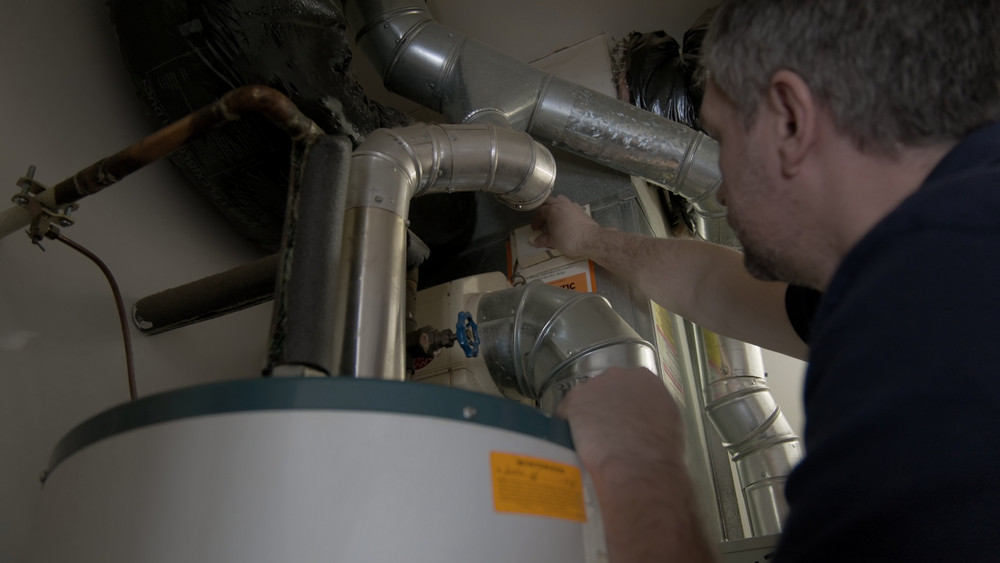
Every time you take a hot shower, run the dishwasher, or wash a load of laundry in warm water, your water heater is hard at work behind the scenes. In most homes, water heating is the second-largest utility expense, accounting for roughly 18% of your total energy bill. Because it runs continuously to supply hot water on demand, even a minor drop in your system’s efficiency can lead to noticeable spikes in your monthly utility costs.
Over time, sediment buildup, worn-out components, and mechanical wear slow down your unit’s performance. This forces the appliance to consume far more gas or electricity to heat the exact same amount of water. Scheduling timely water heater repair when issues first appear restores your unit’s peak performance, extends its working lifespan, and keeps your monthly energy bills manageable.
Below, we break down how professional plumbing repairs directly improve how your system uses energy.
1. Removing Sediment Buildup to Restore Heat Transfer
One of the most common causes of reduced efficiency in traditional tank-style water heaters is mineral sediment accumulation. As municipal water heats up inside the tank, dissolved minerals like calcium and magnesium separate from the liquid and settle at the bottom. Over months and years, this soft sediment bakes into a dense layer of hard scale that completely covers the lower heating elements or gas burner plate.
This sediment layer acts as an unwanted insulating blanket. When the unit turns on, the burner or heating element must heat through several inches of hard scale before it can actually reach the water. This leads to two major problems:
- Increased Energy Consumption: The water heater must run significantly longer cycles just to reach the set temperature on your thermostat, burning extra gas or electricity in the process.
- Overheating and Tank Stress: The excess heat trapped beneath the sediment layer stresses the tank’s protective glass lining, leading to premature metal fatigue, cracking, and eventual tank leaks.
During a professional water heater repair service call, a technician safely flushes the tank to clear out hardened sediment, cleans the internal heating assemblies, and restores clean, direct heat transfer. This simple service instantly lowers the amount of energy needed to heat your water.
2. Fixing Faulty Heating Elements and Thermostats
Electric water heaters typically rely on upper and lower heating elements controlled by individual thermostats to heat water evenly from top to bottom. When one of these elements burns out or becomes heavily encrusted with mineral deposits, the remaining element has to work twice as hard to meet your household’s daily hot water demands.
This heavy imbalance forces your unit to run almost constantly, leading to lukewarm water and highly inflated electricity bills. Similarly, a malfunctioning thermostat might misread the actual water temperature inside the tank. This causes the system to run continuously when it shouldn’t, or it might heat the water to unsafe levels, wasting immense amounts of energy.
Having a qualified technician inspect electrical connections, test resistance levels, and perform targeted water heater repair replaces worn components before they trigger a complete system failure. Calibrating your thermostat to the recommended 120°F (49°C) ensures optimal safety, prevents accidental scalding, and stops unnecessary standby energy waste.
3. Addressing Gas Burner and Anode Rod Issues
For homes with gas-powered water heaters, burner efficiency is absolutely vital to keeping energy costs low. Over time, soot, dust, and rust flakes can clog the burner orifice or block the air intake screen beneath the tank. A dirty gas burner produces a weak, uneven yellow flame rather than a crisp, efficient blue flame. A yellow flame indicates incomplete combustion, which means your unit is burning fuel without generating the proper amount of heat.
Furthermore, every tank water heater contains a sacrificial anode rod. This metal rod is designed to attract corrosive elements in the water, effectively protecting the steel tank from rusting out. Once the anode rod fully degrades, internal corrosion accelerates rapidly. This creates rust flakes that settle directly on the burner assembly, further degrading heating performance.
Professional maintenance and water heater repair involve cleaning the burner assembly, adjusting the pilot or ignition system for clean combustion, and replacing depleted anode rods to preserve both the tank and its overall energy efficiency.
4. Resolving Standby Heat Loss and Pipe Leaks
Standby heat loss occurs when valuable heat escapes from the stored water through the tank walls or uninsulated hot water pipes. Older tanks with deteriorating internal insulation allow water to cool down far too quickly. Because the water cools off, the internal thermostat triggers frequent reheating cycles even when nobody in the house is using hot water.
In addition, minor plumbing leaks along supply lines, pressure relief valves, or tank fittings waste both water and the energy used to heat it. A slow hot water leak can waste hundreds of gallons of freshly heated water every month, silently driving up both your water and gas utility bills.
Timely water heater repair fixes leaking valves and tightens loose fittings promptly. Technicians can also install pipe insulation jackets and thermal traps to keep heat securely trapped inside your plumbing system, greatly reducing standby energy loss.
5. Maximizing Efficiency in Tankless Systems
Tankless water heaters are widely known for their high efficiency because they heat water strictly on demand rather than storing gallons of hot water continuously in a tank. According to the U.S. Department of Energy, tankless water heaters can be 8% to 14% more energy efficient than conventional storage water heaters in homes with high hot water usage.
However, tankless systems are not immune to efficiency loss. Hard water minerals can quickly build up inside the compact copper or stainless steel heat exchanger, restricting water flow. When flow is restricted, the unit is forced to burn much more fuel to push the water up to the desired temperature.
Routine maintenance and specialized water heater repair for tankless units involve flushing the heat exchanger with a safe descaling solution, cleaning the inline water filters, and checking sensor accuracy. Keeping your tankless unit completely scale-free ensures it delivers instant hot water at its highly rated efficiency for many years to come.
Key Benefits of Timely Repairs
Addressing plumbing problems early on provides several clear advantages that go well beyond simply fixing a small leak. By keeping your system running optimally, you can expect the following improvements in your home:
- Lower Monthly Utility Costs: By clearing away sediment and fixing malfunctioning heating elements, you restore your unit’s optimal fuel and electricity conversion rates. This allows the system to run much shorter heating cycles, which directly translates to noticeable savings on your monthly energy bills.
- Extended Appliance Lifespan: Ignoring strange popping noises or minor leaks forces the tank to overheat and accelerates internal rust. Professional maintenance prevents this internal overheating and slows down tank corrosion, helping your expensive appliance last several years longer before needing a full replacement.
- Consistent and Reliable Hot Water: Few things are more frustrating than a shower that suddenly runs cold midway through. Resolving mechanical issues like burnt-out elements or a faulty thermostat eliminates sudden temperature drops, guaranteeing a steady, comfortable supply of hot water for everyone in the family.
- Reduced Carbon Footprint: When your plumbing systems run efficiently, they burn less natural gas and draw less electricity from the grid. By decreasing overall energy waste and resource consumption, an efficiently running appliance actively helps lower your household’s environmental impact.
Keep Your System Efficient With Topshell Plumbing
A well-maintained water heater delivers reliable comfort while keeping your monthly utility bills strictly under control. Ignoring minor noises, slow recovery times, or sudden temperature swings only forces your system to work harder, wasting energy and significantly shortening its lifespan.
At Topshell Plumbing, our licensed technicians provide comprehensive inspection, maintenance, and water heater repair services for both traditional tank and modern tankless systems. We identify hidden efficiency losses, clear harmful sediment, and replace worn components to keep your hot water flowing dependably. Visit Topshell Plumbing today to schedule your service and protect your home’s energy efficiency for the long run!