
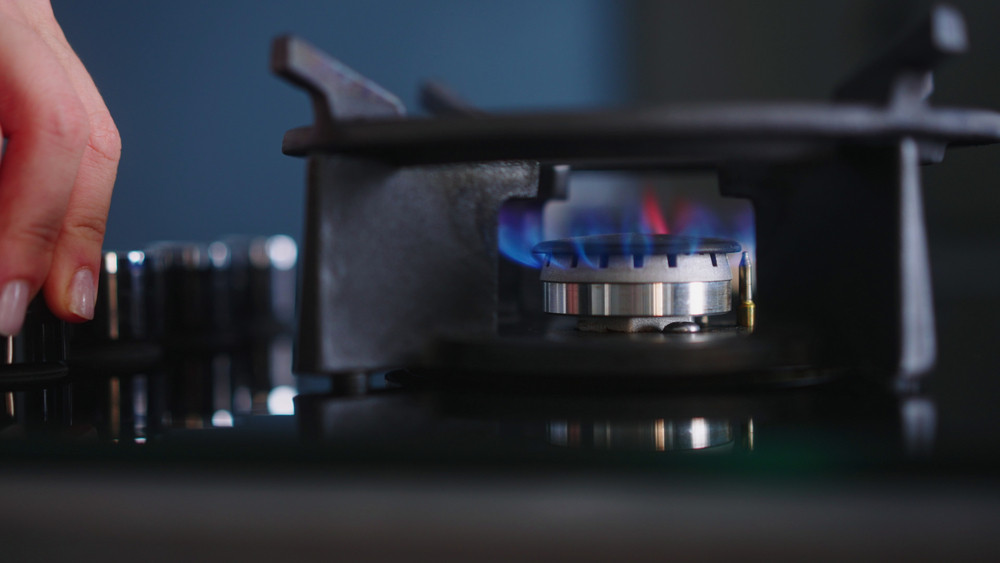
Gas lines play a critical role in powering essential home systems such as stoves, water heaters, and furnaces. When installed correctly, they provide a reliable and efficient energy source. However, faulty gas line installation can introduce serious risks that are often hidden until a dangerous situation arises. For homeowners, understanding these risks is essential to protecting both property and personal safety.
At Topshell Plumbing, ensuring safe and precise gas line installation is a top priority. Even small mistakes during installation can have significant consequences, making professional expertise and attention to detail absolutely essential.
The Serious Nature of Gas Line Systems
Gas lines are not like standard plumbing pipes. They carry combustible fuel under pressure, which means any weakness, improper connection, or material failure can lead to leaks or even catastrophic events. Unlike water leaks, which are often visible, gas leaks can remain undetected until they reach dangerous levels.
Natural gas is highly flammable, and when it accumulates in enclosed spaces, even a small spark can trigger an explosion. This makes proper gas line installation one of the most critical aspects of home construction and maintenance.
Increased Risk of Gas Leaks
One of the most immediate dangers of faulty gas line installation is the increased likelihood of leaks. Poorly sealed joints, incorrect fittings, or substandard materials can allow gas to escape slowly over time.
These leaks are particularly dangerous because they may go unnoticed. While natural gas is typically odorized for detection, not all leaks are easily identifiable, especially in concealed areas like walls or crawl spaces. Over time, even a small leak can create a hazardous environment within your home.
Fire and Explosion Hazards
Faulty gas line installation significantly increases the risk of fires and explosions. When gas accumulates and ignites, the results can be devastating. Structural damage, personal injury, and even loss of life are possible outcomes.
Health Risks from Gas Exposure
Gas leaks can also affect your health. Prolonged exposure to natural gas or related fumes can cause symptoms such as headaches, dizziness, nausea, and fatigue. In more severe cases, exposure can lead to respiratory issues or oxygen displacement in enclosed spaces.
Carbon Monoxide Concerns
Improper gas line installation can also contribute to incomplete combustion in gas-powered appliances, leading to the production of carbon monoxide. This colorless, odorless gas is extremely dangerous and can be fatal in high concentrations.
Structural Damage to Your Home
Gas leaks and related incidents can cause significant structural damage. Explosions can weaken walls, ceilings, and foundations, while prolonged exposure to leaking gas may deteriorate certain building materials over time.
Even without an explosion, the presence of gas in confined spaces can create pressure imbalances or contribute to moisture-related issues, further compromising the integrity of your home.
Environmental Impact of Gas Leaks
Faulty gas line installation can also have broader environmental consequences. Natural gas leaks release methane, a potent greenhouse gas that contributes to climate change.
Studies indicate that pipeline incidents can release significant amounts of gas into the atmosphere, increasing environmental risks and highlighting the importance of maintaining system integrity.
Financial Costs of Poor Installation
Cutting corners during gas line installation may save money initially, but it often leads to higher costs over time. Repairs, emergency services, property damage, and increased energy bills can quickly add up.
In addition, homeowners may face insurance complications if damage is traced back to improper installation or unlicensed work. Investing in professional installation from the start helps avoid these costly consequences.
Regulatory and Safety Compliance Issues
Gas line installation is subject to strict building codes and safety regulations. Failure to comply with these standards can result in fines, failed inspections, or mandatory system replacements.
How Aging and Poor Workmanship Can Affect Installation
Even if a gas line system appears to function properly, poor workmanship during installation can lead to issues over time. Weak joints, improper sealing, or incorrect pipe sizing may not cause immediate problems but can deteriorate under pressure and usage.
A Sobering Reality About Gas Line Incidents
According to an analysis of U.S. pipeline data, there were an average of about 1.45 reported pipeline incidents per day in 2024, totaling roughly 530 nationwide, many involving natural gas distribution or transmission lines, underscoring ongoing risks to pipeline integrity and the importance of proper gas line installation and maintenance.
This statistic reinforces the reality that gas-related incidents are not rare occurrences. While large-scale pipeline systems differ from residential lines, the underlying risks, such as improper installation, material failure, and lack of maintenance, remain highly relevant at the household level.
Warning Signs of Faulty Gas Line Installation
Homeowners should be aware of potential warning signs that may indicate issues with gas line installation. These include:
- A persistent gas odor (often described as rotten eggs)
- Hissing sounds near gas lines or appliances
- Dead or dying vegetation near buried gas lines
- Unexplained increases in gas bills
- Physical symptoms such as dizziness or nausea indoors
If any of these signs are present, it’s important to act immediately by leaving the area and contacting a professional.
Why Professional Installation Matters
Gas line installation is not a DIY project. It requires specialized knowledge, proper tools, and a thorough understanding of safety protocols. Professional plumbers ensure that every component, from pipe sizing to pressure regulation, is handled correctly.
At Topshell Plumbing, trained experts follow industry best practices to deliver safe and reliable gas line installation services. Their attention to detail helps minimize risks and ensures long-term performance.
Preventing Future Problems
Preventive measures play a key role in maintaining a safe gas line system. Regular inspections, timely repairs, and proper maintenance can help identify issues before they escalate.
Homeowners should also consider installing gas detectors for added safety. These devices provide early warnings, allowing you to take action before a situation becomes dangerous.
Contact Topshell Plumbing Right Away
The risks associated with faulty gas line installation are too significant to ignore. From health hazards and fire risks to financial and environmental consequences, the impact of improper installation can be severe and far-reaching.
By understanding these hidden dangers and working with experienced professionals like Topshell Plumbing, homeowners can ensure their gas systems are installed safely and maintained properly. Taking proactive steps today can prevent serious problems tomorrow, providing peace of mind and long-term protection for your home and family.